
Marketing for dojos and boutique fitness studios.
Ads, landing pages, follow-up, and anything else it takes to fill your classes. Run by a 4th dan karateka who grew her family's dojo from empty mats.
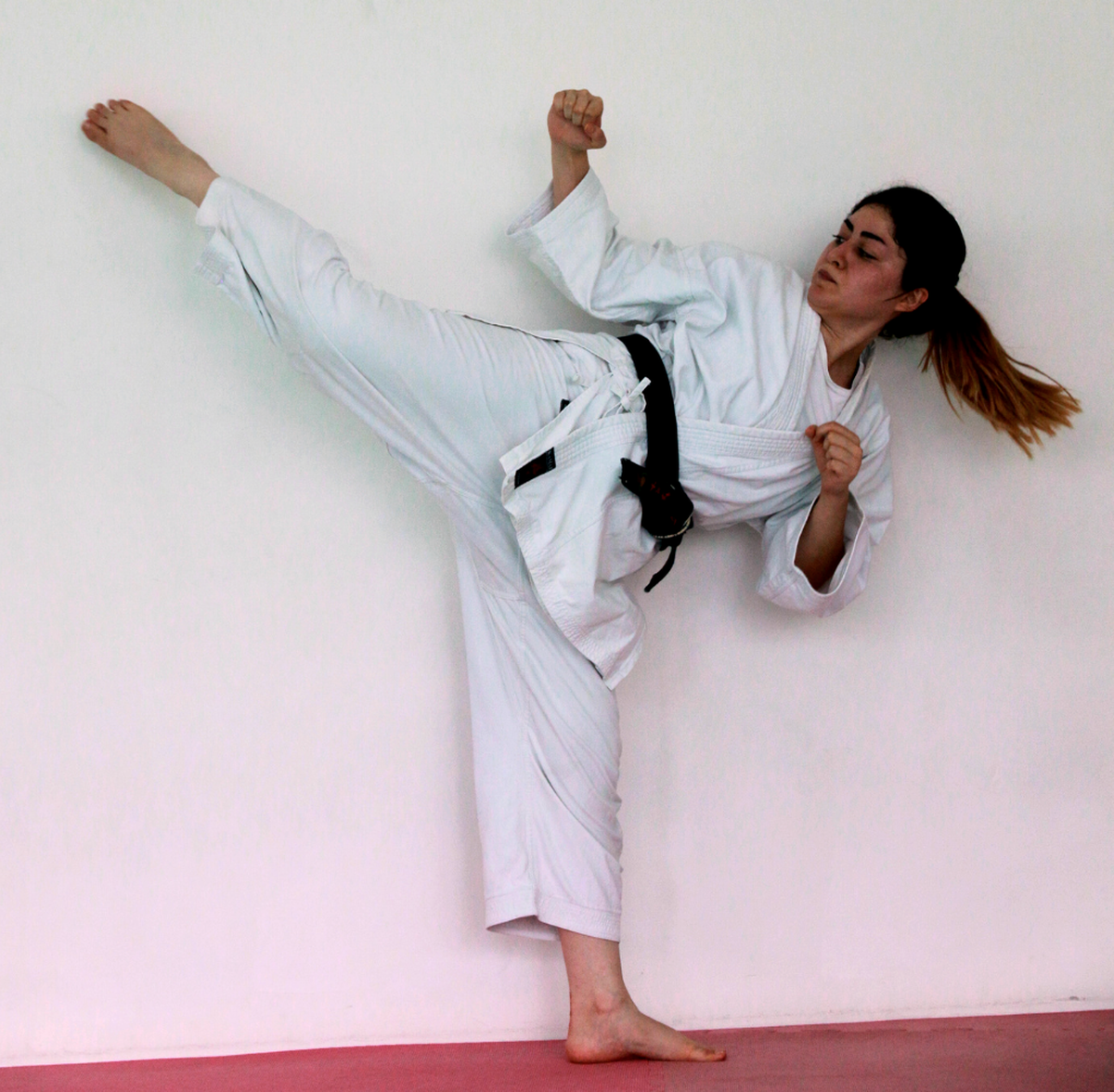
You didn't open a studio to write Facebook ads.
But somebody has to, so it lands on you at 10pm after the last class. Here's what that usually costs.
A parent fills out your trial form at 9:40pm. Nobody replies until Thursday.
Your website is a Facebook page and a Linktree.
The ads are running. You couldn't say which one brought in your last white belt.
Trials show up, take one class, and you never hear from them again.
Word of mouth carried you for years. Then it flattened out, and nobody told you why.
You're a great instructor. That was never the thing that needed fixing.
The story behind Katatude
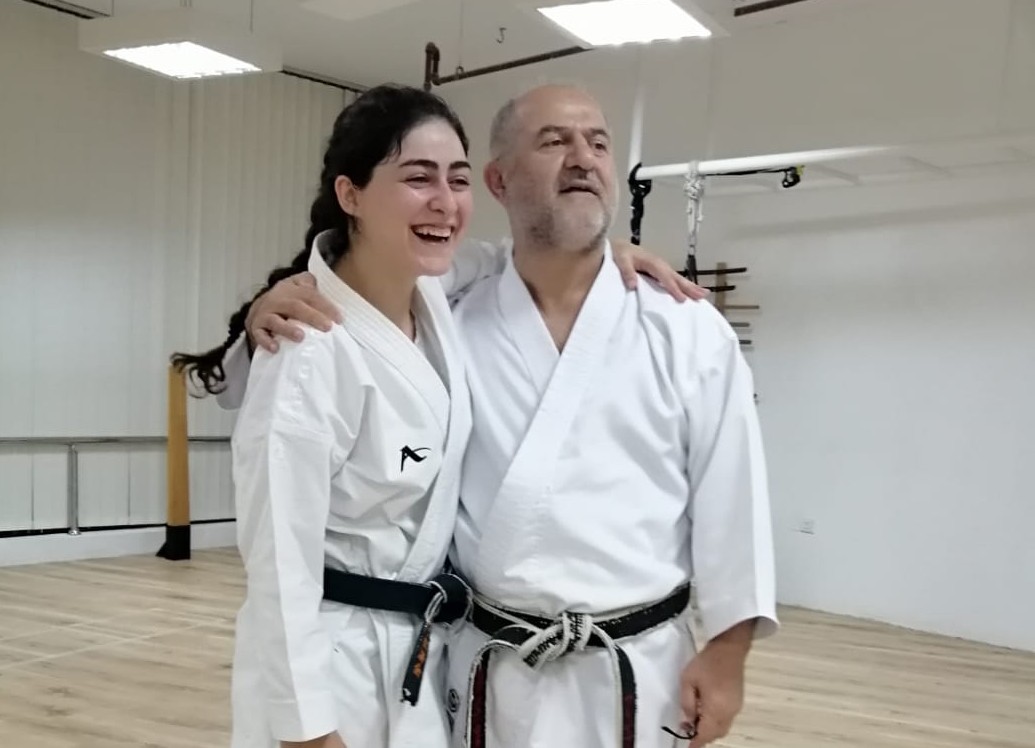

We opened a dojo. For months, almost nobody came.
My dad is a sensei (the greatest I know). He'd spent his whole life teaching karate. When we opened our own dojo, the instruction was never the problem.
But the mats stayed empty. A handful of students who knew him from where he'd taught before, and that was it. Five nights a week, waiting for a door that didn't open.
Nobody knew we were there.
So I started learning marketing. Not as a career plan, our dojo was empty and I wasn't going to watch it stay that way. Ads, landing pages, follow-up, all of it, mostly by getting it wrong first.
We filled it. Then we grew it. It's still open thirteen years later.
That's why Katatude exists.
I know what an empty mat does to a studio owner, because I watched it happen to my dad. And I know what fixes it, because I'm the one who had to work it out.
Three things that actually fill classes.
Get found. Get them booked. Stay in front. Everything else is optional. These aren't.
Ads
Wherever the people near you actually are: search, social, video, wherever your next student is already scrolling. Built around your classes, your offers, and the people you want on the mat.
READ MOREAutomations
A text goes out inside 60 seconds, while they're still holding the phone. Then a sequence that runs for 30 days, so a lead who wasn't ready in March isn't gone by May.
READ MORENewsletters
The leads who never booked, the trials who came once, the parents who said maybe next term. Monthly email that keeps you in front of them. New offers, open spots, reasons to come back.
READ MOREAnd whatever else you need.
Not everyone does. If you do, it's here.Not just dojos.
Anywhere the model runs on trials, schedules, and people showing up twice a week. Open one to see what that looks like for you.
Karate & Taekwondo Family programs, belt cycles, after-school
Your year is carried by September and January. The rest of the time it's siblings and word of mouth, and the quiet months are quiet for no reason anyone's ever explained to you.
So: ads that run through the slow stretches instead of only when you remember, follow-up that catches the parent who enquired in March and then went silent, and email that brings back the family who stopped coming after their kid earned a yellow belt.
BJJ & MMA Adult intros, fundamentals tracks, open mat
Mostly adults, and they research you for weeks before they ever walk in. They read your reviews, watch clips of your classes, and quietly compare you against two other gyms nearby.
The job is being visible during that window, then having something ready when they finally fill in a form at 11pm on a Sunday. A reply that lands in a minute beats a better gym that answers on Tuesday.
Boxing & Kickboxing Class packs and membership tiers
Fitness-first crowd. They come for the workout and stay if the room feels right. That means high trial volume and high drop-off, plenty of first classes, far fewer second ones.
Ads that sell the first session honestly, follow-up built to get them back through the door for number two, and email that catches the ones who quietly stopped showing up around week four.
Dance studios Recital seasons, term enrolment, kids' programs
Everything hangs on term dates. Miss the enrolment window and you're waiting months for the next one, with the same overheads either way.
Campaigns timed to your calendar rather than a generic monthly schedule, waitlists that fill the next term before it opens, and email to last year's parents while they're still deciding whether to sign up again.
Yoga & Pilates Intro offers, reformer waitlists, class packs
Intro offers get people in the door. Almost nobody converts to a membership unless they're asked, and most studios never ask.
Add to that the split where reformer sells out while mat classes sit half empty. The work is filling the quiet slots and turning a three-class intro pack into a standing weekly booking.
Small group fitness Bootcamps, semi-private, personal training
Small rooms, tight margins, and the whole model lives on retention. One person leaving isn't a rounding error, it's real money off the monthly.
Ads for the January rush and the September reset, follow-up for everyone who enquired and never booked, and email that keeps the people already paying you feeling like they're part of something.
Different disciplines. Same problem: getting them through the door and keeping them there.
Every studio is different. So is the plan I'd build you.
Thirty minutes to talk through how your studio actually runs, what's been frustrating you, and where you want it a year from now. You'll leave knowing what I'd do first and why.
- I build your first month before you pay for anything
- Month to month after that. No lock-in
- Ad spend goes to the platforms, never through me
What you're probably wondering
Is ad spend included?
No, and it never goes through me. You set up your own ad accounts, your own card, and you pay the platforms directly. I get access to run them.
That means you can see every dollar, you keep the accounts if we ever part ways, and I don't take a percentage of your spend.
How much should I be spending on ads?
It depends on your area, your class prices, and how many students you're actually trying to add. A studio looking for five new families a month needs a very different budget from one trying to fill a new location.
We'll work it out on the call, based on what a student is worth to you over a year rather than a number I picked out of the air.
How long before I see results?
Leads usually start coming in within the first couple of weeks. Enrolments take longer.
The honest answer is that month one is setup and learning, month two is where the numbers start meaning something, and month three is where you can judge me properly.
Am I locked into a contract?
No. Month to month, and you can stop whenever you want. I'd rather you stay because the numbers are good than because a contract says you have to.
I do ask for three months of honest effort though, because anything shorter isn't long enough to tell whether the work is paying off.
Do you work with studios outside martial arts?
Yes. Dance, yoga, pilates, boxing, small group fitness, and anything else that runs on classes. Language schools, music lessons, tutoring centres, kindergartens, swim schools. If people book a spot, show up on a schedule, and either renew or drift away, it's the same business underneath.
Martial arts is where I grew up, so it's the language I know best. But the marketing problem doesn't change much from one room to the next.
Who actually does the work?
I do. You're not going to be handed to a junior after the first call, and you won't be talking to an account manager who's relaying your questions to someone else.
It's also why I take on a small number of studios at a time rather than as many as will sign.
Sign Up For Updates
Get more marketing tips straight to your inbox. What's working, what stopped working, and why.

Growth marketing for dojos, studios, and anything else that runs on classes. Built by a 4th dan karateka who grew her family's dojo from empty mats.
DISCIPLINE. GROWTH. ATTITUDE.
WHAT I DO
WHO I WORK WITH
GET IN TOUCH


Copyright 2026. Katatude. All Rights Reserved. | Privacy Policy | Terms of Service